- Need immediate help?
- 1 (800)-631-5656
- help@nationalinjuryadvocates.com

Silicosis Lawsuit and Silica Lung Diseases

Toxic PFAS Pollution in Canada: A Growing Concern
September 20, 2023
The Controversy of ZONNIC Canada: Flavored Nicotine Pouches and the Sale to Children
November 27, 2023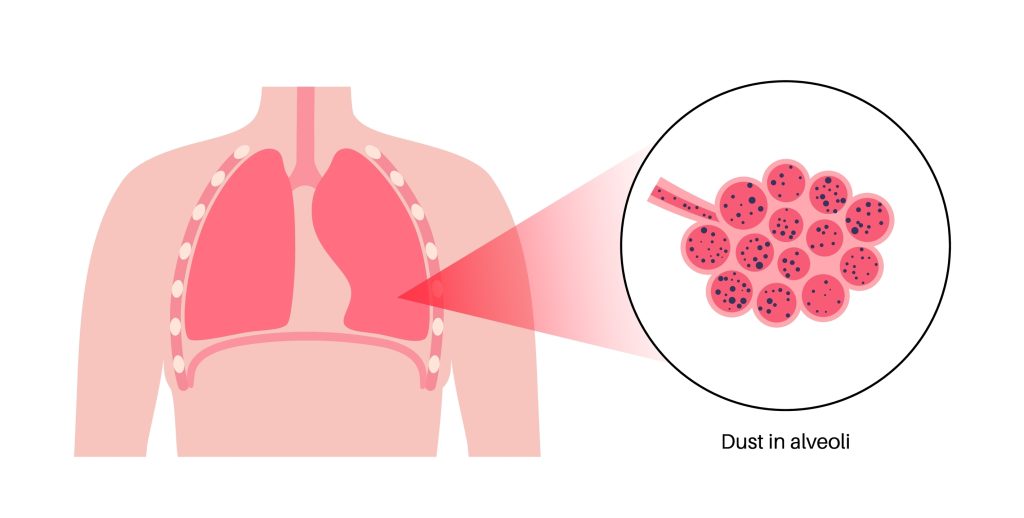
Unveiling Silicosis: The Silent Killer in the Stone Fabrication Industry
September 28, 2023 — Silicosis, a debilitating and potentially fatal lung disease, has been making headlines recently due to a rise in cases among workers in the stone fabrication industry. This long-term condition caused by inhaling large amounts of crystalline silica dust over many years, poses a serious occupational health risk, particularly for those working with engineered stone.
Understanding Silicosis
Silicosis is a chronic lung condition that occurs primarily due to prolonged exposure to dust containing silica, a mineral found in abundance in certain types of stone, rock, sand, and clay. The dust, when inhaled, triggers inflammation and fibrosis, leading to hardened and scarred lung tissue, which can progressively result in irreversible and potentially disabling disease.
The Major Symptoms
The onset of silicosis generally takes several years and can often go undetected until an individual has ceased working in environments with silica dust. Symptoms may progressively worsen, even after exposure has ceased, and can include:
- A continuous cough
- Persistent shortness of breath
- Weakness and fatigue
As the condition continues to advance, these symptoms can escalate, with some individuals experiencing significant difficulty in performing simple activities such as walking or climbing stairs. In severe cases, individuals may become largely confined to their homes or beds.
Associated Health Risks
Apart from causing severe lung damage, individuals with silicosis are also at an increased risk of developing other serious health conditions, such as:
- Tuberculosis and other chest infections
- Pulmonary hypertension
- Heart failure
- Arthritis
- Kidney disease
- Chronic obstructive pulmonary disease (COPD)
- Lung cancer
The Risk to Stone Fabrication Workers
The stone fabrication industry, particularly those working with engineered stone, is at significant risk of developing silicosis. Engineered stone, a manufactured quartz-based composite material, can contain more than 90% crystalline silica, exposing workers to higher levels of silica dust.
This industry, which saw an approximate 800% increase in quartz surface imports to the United States between 2010 and 2018, has become a hotbed for silicosis cases.
Recent Reports of Silicosis Cases
Recent reports have highlighted an alarming surge in silicosis cases among stone fabrication workers. A study conducted by the California Department of Public Health identified six confirmed cases of silicosis among employees of a single stone fabrication company, including two fatalities. Similarly, the Texas Department of State Health Services reported an apparent cluster of silicosis cases among workers at an engineered stone countertop manufacturing and fabrication facility.
Silica and Occupations at Risk
Several occupations expose workers to a higher risk of silica inhalation. These include:
- Mining (coal, hard rock, etc.)
- Construction work
- Tunnel working
- Masonry
- Sandblasting
- Glass manufacturing
- Ceramics work
- Steel industry work
- Quarrying
- Stone cutting
In all these occupations, workers are exposed to silica dust during their daily tasks, risking their health substantially.
Diagnosing and Treating Silicosis
Diagnosis of silicosis usually involves a combination of medical history evaluation, physical examination, and imaging studies such as chest X-rays or computed tomography (CT) scans. Lung function tests may also be performed to assess the extent of lung damage.
Forms of Silicosis
Silicosis comes in various forms, each with its unique characteristics and prognosis:
- Chronic/Classic Silicosis: The most common form, typically occurring after 10-30 years of moderate to low silica exposure.
- Accelerated Silicosis: Results from higher levels of exposure and develops 5-10 years after the initial exposure.
- Acute Silicosis: Caused by short-term exposure to very high levels of silica dust, this severe form can manifest within weeks to 4-5 years of exposure.
Unfortunately, there is no cure for silicosis as the lung damage caused by the disease cannot be reversed. Treatment is aimed at relieving symptoms, improving the quality of life, and slowing the progression of the disease. In severe cases, a lung transplant may be considered.
Preventative Measures and Regulations
Prevention of silicosis primarily involves reducing silica dust exposure. Employers are required to comply with The Control of Substances Hazardous to Health Regulations 2002, which sets a workplace exposure limit for silica.
Employers should also provide adequate training, equipment, and safety measures to protect their employees from silica dust. These can include using tools with water feeds, well-designed local exhaust ventilation, and appropriate respiratory protection when necessary.
Compensation for Silicosis Victims – Filing a Claim
Individuals diagnosed with silicosis may be entitled to claim compensation. The silicosis lawyers at the Schmidt National Law Group can help you gain financial compensation by filing a silicosis claim.
If you have developed silicosis or other lung diseases due to your job working with stone countertops, you may want to consider filing an injury lawsuit claim.
Silicosis is 100% preventable, and it may be the case where your work environment did not take the necessary precautions in dealing with the toxic dust.
Our team of silicosis attorneys at The Schmidt National Law Group provides a free case review if you were diagnosed with silicosis or lung cancer. Take Action Now by contacting us at 1-800-631-5656 or use the 100% Secure Intake Form on this page.
Silicosis poses a significant threat to workers in the stone fabrication industry, particularly those working with engineered stone. Effective disease surveillance, regulatory enforcement, and workplace safety measures are crucial to address and mitigate the risk of this emerging public health issue.
Sources:
https://www.cdc.gov/mmwr/volumes/68/wr/mm6838a1.htm
https://www.latimes.com/california/story/2023-09-24/silicosis-countertop-workers-engineered-stone
Silicosis Lawsuit & Silica Lung Diseases Page Updated on September 28, 2023.