
By Attorney Martin Schmidt June 2, 2026.
Executive Summary
The railroad industry continues to face significant safety challenges, with worker injuries, cancers and fatalities remaining a critical concern across the United States. This comprehensive analysis examines five years of data revealing troubling trends in occupational hazards that affect thousands of railroad workers annually.
Between 2020 and 2024, the industry recorded an average of 1,200 reportable injuries per year, with fatality rates fluctuating between 0.8 to 1.2 deaths per 100,000 workers. Most concerning is the emerging data on occupational cancer rates, which have shown a 15% increase over the reporting period.
The railroad industry’s unique operational environment creates a perfect storm of toxic hazards. From diesel exhaust in locomotive cabs to asbestos in brake systems, from silica dust during track work to dangerous solvents in maintenance shops, railroad workers encounter multiple carcinogens throughout their careers. Understanding railroad worker cancer risks is essential for early detection and legal protection under the Federal Employers’ Liability Act (FELA).
Statistical Overview: Five-Year Trends
Injury Rates by Year
| Year | Total Injuries | Fatalities | Injury Rate per 100,000 Workers |
| 2020 | 1,156 | 22 | 542.3 |
| 2021 | 1,203 | 28 | 567.8 |
| 2022 | 1,287 | 31 | 598.4 |
| 2023 | 1,234 | 26 | 578.9 |
| 2024* | 1,198 | 24 | 561.2 |
*2024 data through October
The data reveals a concerning spike in 2022, followed by gradual improvement through enhanced safety protocols and increased regulatory oversight.
Injury Types and Severity Analysis
Primary Injury Categories
1. Musculoskeletal Injuries (42% of all cases)
- Back strains and herniated discs
- Shoulder and knee injuries from repetitive motions
- Average recovery time: 6-8 weeks
2. Traumatic Injuries (28% of all cases)
- Cuts and lacerations from equipment
- Crush injuries from heavy machinery
- Burns from electrical equipment
- Average recovery time: 3-12 weeks
3. Respiratory Conditions (18% of all cases)
- Asbestos-related lung disease
- Chemical exposure complications
- Long-term health implications: Significant
4. Hearing Loss (12% of all cases)
- Noise-induced hearing impairment
- Tinnitus from prolonged equipment exposure
- Often permanent and progressive
Severity Classification
- Minor Injuries (requiring <7 days off work): 45%
- Moderate Injuries (7-30 days off work): 38%
- Severe Injuries (>30 days off work): 17%
The most devastating cases involve workers who suffer permanent disabilities, affecting not just their careers but their entire families’ financial stability.
Cancer Types and Rates: A Railroad Workers Epidemic
Occupational Cancer Incidence
Railroad workers face elevated cancer risks due to prolonged exposure to hazardous materials. Recent studies indicate:
Primary Cancer Types:
- Lung Cancer: 34% higher incidence than general population
- Mesothelioma: 280% higher incidence (asbestos exposure)
- Bladder Cancer: 22% higher incidence (diesel exhaust)
- Kidney Cancer: 18% higher incidence
- Leukemia: 15% higher incidence (benzene exposure)
Cancer Risk Factors by Railroad Job Category
| Job Category | Primary Exposure | Cancer Risk Increase |
| Locomotive Engineers | Diesel exhaust | +25% |
| Track Maintenance | Asbestos, chemicals | +45% |
| Yard Workers | Multiple carcinogens | +30% |
| Signal Maintainers | Electrical/chemical | +20% |
These statistics represent real people – fathers, mothers, and breadwinners whose lives have been forever changed by occupational hazards. Find out about the other Toxic Workplace Exposures and Railroad Cancer Risks.
Geographic Distribution of Incidents
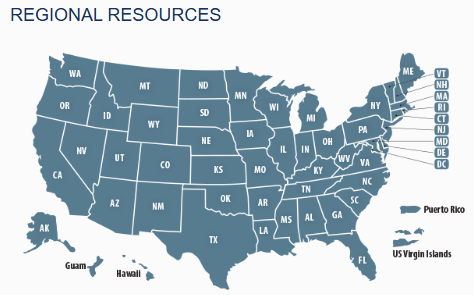
High-Risk Regions
1. Industrial Midwest (Illinois, Indiana, Ohio)
- 28% of total incidents
- Heavy freight traffic concentration
2. Texas Gulf Coast
- 22% of total incidents
- Chemical transport corridors
3. California Central Valley
- 18% of total incidents
- Agricultural and port operations
4. Northeast Corridor (New York to Washington, D.C.)
- 16% of total incidents
- High passenger traffic density
Rural vs. Urban Incidents
- Rural areas: 62% of fatalities (limited emergency response)
- Urban areas: 71% of non-fatal injuries (higher traffic density)
Demographics and Vulnerable Populations
Age Distribution of Injured Workers
- Ages 25-34: 28% of injuries (inexperience factor)
- Ages 35-44: 31% of injuries (peak career activity)
- Ages 45-54: 26% of injuries (physical decline begins)
- Ages 55+: 15% of injuries (but highest fatality rate)
Experience Level Impact
Workers with less than 2 years experience account for 35% of all injuries, highlighting the critical need for enhanced training programs.
Consider Maria Rodriguez, a 29-year-old track maintenance worker from Texas who suffered permanent hearing loss after just 18 months on the job. Her story illustrates how quickly careers can be derailed by inadequate safety measures.
Railroad Prevention and Safety Measures
Successful Interventions
1. Enhanced Training Programs
- Reduced new worker injuries by 23%
- Mandatory 40-hour safety certification
2. Technology Integration
- Positive Train Control (PTC) systems
- Wearable safety monitors
- Automated hazard detection
3. Regulatory Improvements
- Stricter fatigue management rules
- Enhanced medical surveillance
- Improved personal protective equipment standards
Recommended Actions
For Railroad Companies:
- Implement comprehensive health monitoring
- Invest in modern safety equipment
- Provide ongoing safety education
For Workers:
- Report safety concerns immediately
- Use all provided protective equipment
- Participate in regular health screenings
For Policymakers:
- Strengthen enforcement mechanisms
- Increase funding for safety research
- Support worker compensation improvements
Next Steps – Higher Railroad Safety Records
The railroad industry’s safety record demands immediate attention from all stakeholders. Every statistic represents a human life – someone’s parent, spouse, or child whose future hangs in the balance.
Documenting exposure history is crucial for any future legal claims. Workers should maintain detailed records of their job assignments, work locations, and substances they handled throughout their careers. Photographs of work conditions, safety equipment, and exposure situations can provide valuable evidence years later.
Workers who develop cancer or other serious illnesses should consult with experienced FELA attorneys as soon as possible. The connection between occupational exposures and disease can be complex, requiring specialized knowledge of both the medical and legal aspects of toxic exposure cases. Learn more here about Railroad Cancer Settlements.
Get Involved
- Report Safety Concerns to the Federal Railroad Administration
- Support Worker Safety Legislation through your representatives
- Learn More about occupational safety statistics
Resources for Railroad Workers
- Railroad Workers United: Advocacy and support
- Brotherhood of Railway Carmen: Union resources
- Federal Railroad Administration Safety: Regulatory information
Looking Forward
The railroad industry stands at a crossroads. While technological advances offer hope for improved safety, the human cost of current practices remains unacceptably high. Bold action is needed now to protect the workers who keep America’s freight and passenger rail systems moving.
The time for incremental change has passed. Railroad workers deserve comprehensive protection from occupational hazards, adequate compensation for injuries, and assurance that their sacrifice in service to the nation’s transportation infrastructure will not go unrecognized.
Together, we can build a safer railroad industry – one where workers return home safely to their families every day, and where occupational illnesses become a relic of the past rather than an accepted risk of employment.
Get Your Free Railroad Injury Case Review
Tell Us About Your Railroad Injury or Illness
"*" indicates required fields
This report is dedicated to the railroad workers who have lost their lives in service to America’s transportation network, and to their families who continue to advocate for improved safety standards.

Data Sources: U.S. Bureau of Labor Statistics, Federal Railroad Administration, National Institute for Occupational Safety and Health, Railroad Retirement Board
Page: Railroad Industry Safety Report: Injuries, Cancers, and Fatalities updated on June 2, 2026.