- Need immediate help?
- 1 (800)-631-5656
- help@nationalinjuryadvocates.com

Cartiva Implant Lawsuit: Defective Toe Implants
Health Canada May Investigate Hair Straighteners Linked to Cancer
February 8, 2023New Hampshire Youth Abuse Survivors is 24 months enough time?
May 31, 2023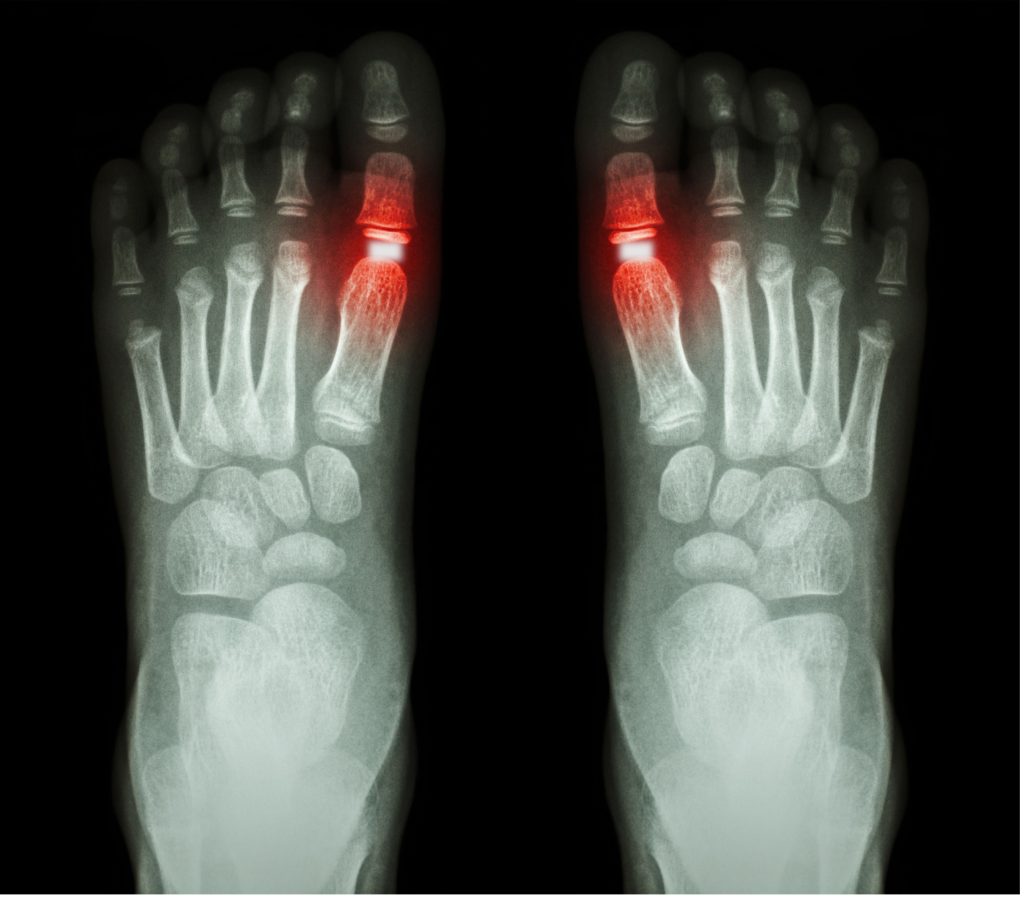
What is the Cartiva Implant Lawsuit
The Cartiva Implant Lawsuit started when five patients experienced severe complications after receiving the implant. The first to file a claim was Gabriel Gesmer on March 14, 2022, case number: 4:2022cv01609 Defendant: Cartia, Inc., Wright Medical Group, N.V., Stryker, B.V. and Cartiva, Inc.
The implant, designed to treat hallux rigidus and to alleviate joint pain and improve mobility in patients with arthritis or other degenerative conditions, quickly gained popularity among both doctors and patients.
However, as more patients received the implant, the FDA received 144 adverse events reports of Cartiva implant failures thus leading to investigations into the device’s safety and effectiveness.
A post-market study found that patients with the Cartiva implant reported failure rates as high as 64%. The most common adverse effects are migration of the implant due to shrinkage.
As evidence mounted against the Cartiva Toe Implant, a class action lawsuit was filed in a northern California court (Gesmer v. Cartiva, Inc. et al), alleging that the device was defectively designed and manufactured.
The suit also claims that the manufacturer, Cartiva Inc., failed to adequately warn patients and physicians about the potential risks associated with the device. Currently there are five more cases pending ligation, though some of these may settle out of court.
What is the Cartiva Toe Implant?
The Cartiva Toe Implant is a medical device designed to treat hallux rigidus and improve mobility in patients with arthritis or other degenerative conditions affecting the big toe, a condition that impacts over 2 million people in the U.S.
The implant is made of a polymer-based synthetic cartilage material, which aims to mimic the natural cushioning of the joint, allowing for a more natural range of motion and reduced pain. The device was approved by the FDA in 2016.
The Cartiva Toe Implant is surgically implanted into the joint, replacing the damaged cartilage and providing a smooth surface for the bones to glide against.
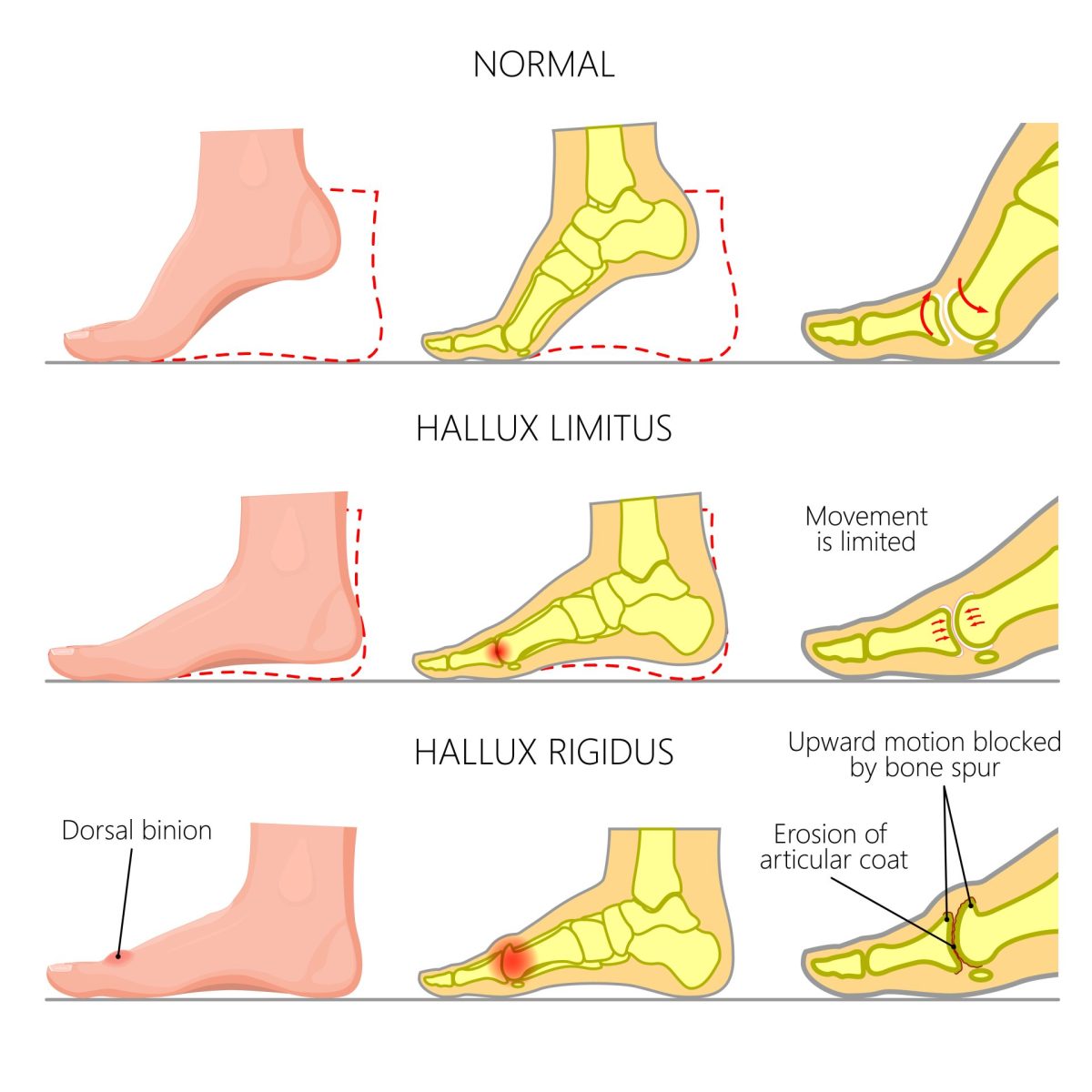
This is intended to alleviate pain and improve the patient’s overall quality of life. However, as we will see in the following sections, the Cartiva Toe Implant has been associated with a number of complications and adverse outcomes, leading to the Cartiva Implant Lawsuit.
Causes of Cartiva Implant Failure
There are several factors that may contribute to Cartiva Implant Failure, including (but not limited to) the following:
- Defective design: The Cartiva Toe Implant may be inherently flawed in its design, leading to complications and failure. Some experts believe that the implant’s shape and size are not suitable for certain patients, which can result in improper fit and alignment within the joint.
- Poor manufacturing: In addition to design flaws, the Cartiva Toe Implant may also suffer from manufacturing defects. These can include inconsistencies in the implant’s material composition, polyvinyl membrane gel (PVA) which can lead to premature wear and tear or even breakage of the implant.
- Inadequate warnings and training: The Cartiva Implant Lawsuit alleges that Cartiva Inc. did not provide sufficient warnings about the potential risks of their device, nor did they offer enough training for surgeons on proper implantation techniques. This may have led to improper surgical techniques, resulting in implant failure.
Recognizing Cartiva Implant Failure Symptoms
If you or a loved one have received a Cartiva Toe Implant, it is crucial to monitor for potential Cartiva Implant Failure Symptoms. These can include:
- Persistent pain: While some pain following surgery is normal, ongoing pain that does not improve or worsens over time may be a sign of Cartiva Implant Failure.
- Swelling and inflammation: Swelling around the joint may indicate that the implant is not functioning properly, causing irritation and inflammation.
- Limited mobility: If your range of motion does not improve or worsens after receiving the Cartiva Toe Implant, this could be a sign that the implant has not been successful in alleviating joint pain and improving mobility.
- Joint instability: A feeling of instability or “giving way” in the joint may be indicative of implant failure, as the implant is not providing the necessary support and cushioning for the joint.
If you experience any of these Cartiva Implant Failure Symptoms, it is essential to consult with your healthcare provider as soon as possible to discuss your concerns and explore potential treatment options.
Cartiva Implant Problems: Reported Complications
In addition to Cartiva Implant Failure, there have been several reported complications associated with the device. These include:
- Bone damage: In some cases, the Cartiva Toe Implant may cause damage to the surrounding bone, including fractures, bone erosion, or bone loss known as osteolysis.
- Implant wear and tear: The implant may wear down or shrink over time, causing discomfort and potentially requiring additional surgery to replace or remove the implant.
- Infection: As with any surgical procedure, there is a risk of infection following implantation of the Cartiva Toe Implant. In some cases, the infection may be severe enough to require removal of the implant and additional treatment.
- Nerve damage: Some patients have reported nerve damage or neuropathy following implantation of the Cartiva Toe Implant, which can result in pain, numbness, or tingling in the affected area.
Legal Action Against Cartiva: The Basis of the Lawsuit
The Cartiva Implant Lawsuit is based on several allegations against Cartiva Inc., including:
- Defective design and manufacturing: The lawsuit claims that the Cartiva Toe Implant is inherently flawed in its design and manufacturing, leading to complications and implant failure.
- Failure to warn: The suit alleges that Cartiva Inc. did not provide adequate warnings about the potential risks and complications associated with their device, thus putting patients at risk for serious harm.
- Misrepresentation: The plaintiffs in the Cartiva Implant Lawsuit also claim that Cartiva Inc. misrepresented the safety and effectiveness of their device, leading patientsto believe that the implant was a safe and viable option for treating joint pain and improving mobility.
Overall, the Cartiva Implant Lawsuit seeks to hold Cartiva Inc. accountable for the alleged harm caused by their device and to provide compensation for those affected by Cartiva Implant Failure.
The Impact of the Cartiva Implant Lawsuit on Patients
The Cartiva Implant Lawsuit has had a significant impact on patients who have received the Cartiva Toe Implant or are considering it as a treatment option. Many patients have expressed concerns about the safety and effectiveness of the device, and some have reported difficulty finding alternative treatments for their joint pain and mobility issues. If you’ve been suffering from this defective device, contact our lawyers today at 1-800-631-5656, or use the secure form on this page.

Additionally, the Cartiva Implant Lawsuit has raised questions about the regulation and oversight of medical devices, particularly those that are marketed as “innovative” or “game-changing” solutions for common health problems. As patients become more aware of the potential risks and complications associated with medical devices, they may become more cautious about pursuing certain treatments or procedures.
What to Do if You’re Affected by Cartiva Implant Failure
If you or a loved one have received the Cartiva Toe Implant and are experiencing complications or Cartiva Implant Failure Symptoms, it is important to seek medical attention right away. Your healthcare provider can evaluate your condition and recommend appropriate treatment options, which may include surgery to remove or replace the implant.
In addition to seeking medical treatment, you may also want to consider contacting the Schmidt National Law Group we specialize in medical device litigation.
Our attorneys can help you understand your legal options and pursue compensation for any damages or losses you have experienced as a result of Cartiva Implant Failure.
Use the 100% secure claim form on this page, or call us direct at 1-800-631-5656 for a free legal consultation.
The Future of Cartiva Toe Implants: Alternatives and Solutions
While the Cartiva Implant Lawsuit continues to play out in the courts, researchers and medical professionals are exploring alternative treatments and solutions for joint pain and mobility issues. Some of these alternatives include:
- Stem cell therapy: Stem cell therapy involves injecting stem cells into the affected joint, with the goal of promoting natural healing and regeneration of damaged tissue.
- Platelet-rich plasma (PRP) therapy: PRP therapy involves injecting a patient’s own blood plasma into the affected joint, which contains growth factors that can promote healing and reduce inflammation.
- Lifestyle changes: In some cases, making lifestyle changes like losing weight, adopting an anti-inflammatory diet, and engaging in regular exercise can help alleviate joint pain and improve mobility.
- Other implant options: There are several other implant options available for treating joint pain and mobility issues, including silicone implants, metal implants, and other synthetic cartilage implants.
As researchers and medical professionals continue to explore these and other treatment options, it is important for patients to consult with their healthcare providers to determine the best course of action for their individual needs and circumstances.
The Importance of Patient Advocacy in Medical Device Litigation
The Cartiva Implant Lawsuit is a stark reminder of the potential risks and complications associated with medical devices, particularly those that are marketed as innovative or game-changing solutions for common health problems. All medical professionals have a responsibility to educate their patients about the potential risks and benefits of different treatment options and to advocate for their best interests.
For patients affected by Cartiva Implant Failure, seeking medical attention and exploring legal options with the Schmidt National Law Group may be necessary to obtain cash compensation for any damages or losses incurred. Additionally, exploring alternative treatments and solutions may be a viable option for those seeking relief from joint pain and mobility issues.
Ultimately, the Cartiva Implant Lawsuit highlights the importance of patient advocacy in medical device litigation and underscores the need for continued research and innovation in the field of medical technology. As we move forward, we must strive to prioritize patient safety and well-being above all else, and to hold manufacturers accountable for any harm caused by their products.
Sources:
https://pubmed.ncbi.nlm.nih.gov/26922669/
https://pubmed.ncbi.nlm.nih.gov/32723089/
https://dockets.justia.com/docket/california/candce/4:2022cv01609/393002