- Need immediate help?
- 1 (800)-631-5656
- help@nationalinjuryadvocates.com

Shipyard Veterans Potential Exposure to Cancer-Causing Radioactive Materials

South Carolina Lawmaker’s Lawsuit Against Instagram: A Tragic Tale of Responsibility and Accountability
January 30, 2024
CooperSurgical IVF Solution allegedly killed embryos
February 26, 2024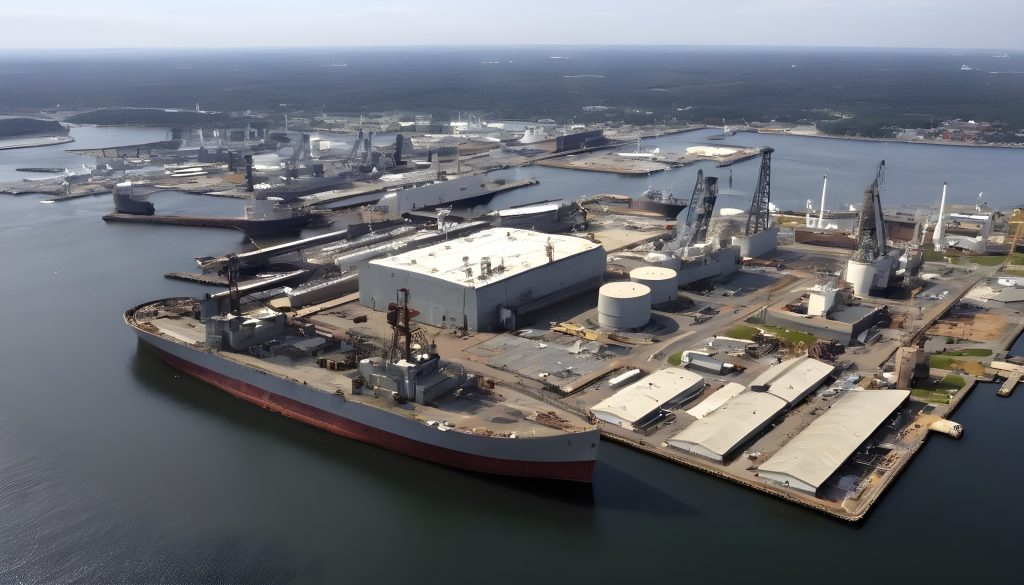
Shipyard veterans have long been an integral part of the military workforce, contributing their skills and expertise to the maintenance and repair of naval vessels. However, recent revelations have uncovered a potentially grave issue: the exposure of these veterans to cancer-causing radioactive materials during their service. Shockingly, the Navy has failed to inform these veterans about the potential risks they face.
The Schmidt National Law Group delves into the details surrounding this alarming situation, shedding light on the decades of contamination, the Navy’s lack of transparency, and the devastating impact on the lives of shipyard veterans and their families. We fully intent to hold all parties responsible for this lack of notification and allowing this radioactive contamination to go unchecked.
Decades of Contamination
Toxic Waste Disposal and Chemical Leakage
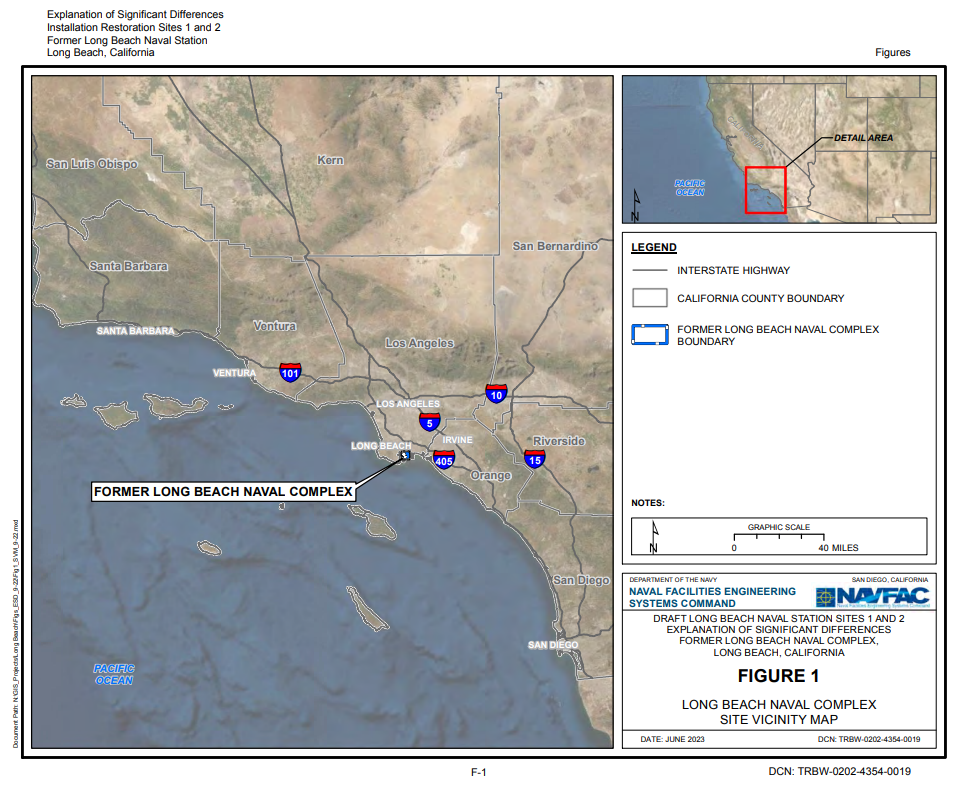
The contamination of shipyard facilities dates back to the mid-20th century. From the 1940s to the 1960s, workers at the Long Beach Naval Shipyard in California were responsible for the disposal of toxic waste. This improper waste management led to the initial contamination of the site. Subsequently, from the 1960s to 1980, approximately 3,000 gallons of chemical waste leaked from damaged storage drums into the ground, exacerbating the contamination issue.
The chemicals involved in this contamination, such as dichloroethene, trichloroethylene, vinyl chloride, and benzene, have been identified as serious health hazards. According to the Agency for Toxic Substances and Disease Registry, these substances can cause various diseases, including cardiac defects and certain cancers.
The concentration of these chemicals at the shipyard was found to be 32 to 583 times higher than acceptable levels.
Radioactive Materials from Nuclear Weapons Testing
In addition to the chemical contamination, the shipyard also faced a threat from radioactive materials. The global nuclear weapons testing that commenced in 1945 resulted in the release of radioactive substances into the atmosphere. Over time, these materials settled on the ground, including at the Long Beach Naval Shipyard.
The Navy first detected the presence of radium and strontium during the cleanup efforts in the early 2000s. In 2008, it was confirmed that the levels of these substances exceeded the safety standards set for public health. Radium-226 and strontium-90 are particularly concerning as they accumulate in the body over time and have been linked to leukemia and other cancers.
The potential for shipyard veterans to have been exposed to these cancer-causing radioactive materials is a grave concern, this may not be the only Navy shipyard that has these types of radioactive contamination’s, we will be compiling a list of all known military bases as we continue to investigate this issue.
Navy’s Lack of Transparency and Potential Risks
Failure to Notify Veterans
Despite the Navy’s knowledge of the contamination and potential health risks, it has failed to inform shipyard veterans about their exposure to cancer-causing radioactive materials. The Navy conducted a study in 2008 that confirmed the presence of radiation at the Long Beach Naval Shipyard. However, it was not until 2023 that the detection of radiation was publicly acknowledged.
The lack of transparency is deeply troubling, as it means that tens of thousands of shipyard veterans may have been unknowingly exposed to these hazardous materials. The Navy has stated that there is no mechanism in place to notify veterans of potential exposures after a base is no longer operational. This failure to communicate critical information has left veterans and their families in the dark about the potential risks to their health.
The Fight for Awareness and Care
Gilbert “Kip” Wyand, a Navy veteran who lived and worked at the Long Beach Naval Shipyard in the 1980s, became a vocal advocate for spreading awareness about the potential exposure to cancer-causing materials. Wyand was diagnosed with acute lymphoblastic leukemia, a cancer of the blood and bone marrow that can be caused by radiation exposure.
Wyand’s battle for awareness and care highlights the challenges faced by shipyard veterans seeking recognition and support. He spent months trying to secure approval for a bone marrow transplant from the Department of Veterans Affairs (VA). The VA required him to undergo numerous medical appointments, including mental health assessments and dental exams, causing further delays and frustration.
The Impact on Veterans and Their Families
Devastating Health Consequences
The consequences of potential exposure to cancer-causing materials have been devastating for shipyard veterans and their families. Wyand’s experience serves as a tragic example of the toll this negligence has taken on individuals. After being diagnosed with leukemia, he experienced severe symptoms such as stomach pain, night sweats, and sudden body temperature changes.
The delayed diagnosis and subsequent obstacles in accessing timely and appropriate care have undoubtedly contributed to the worsening of veterans’ health conditions. In Wyand’s case, his health deteriorated rapidly, and his body became increasingly resistant to chemotherapy treatments. Despite the approval for CAR T-cell therapy, a form of immunotherapy, his condition worsened, and he ultimately passed away in January 2024.
Emotional and Financial Impact
The impact of potential exposure to cancer-causing materials extends beyond the physical health consequences. Shipyard veterans and their families face emotional and financial burdens as they navigate the complexities of seeking healthcare and support. The frustration and anger felt by veterans and their loved ones are palpable, as they believe more should have been done to protect and inform them about the risks they faced.
The loss of a loved one, as in the case of Wyand, leaves families devastated and searching for answers. The emotional toll of witnessing a family member’s suffering and the subsequent loss is immeasurable. Moreover, the financial strain of medical treatments, ongoing care, and the pursuit of legal avenues for justice adds an additional layer of hardship for affected families.
We’re you or someone you love been stationed at a shipyard with radioactive contamination and developed cancer? Contact the Schmidt National Law Group to find out your legal rights. Use the 100% secure form on this page, or contact us directly toll free at 1-800-631-5656.
Government Accountability and Lessons Learned
Patterns of Navy Negligence
The shipyard contamination issue is not an isolated incident within the Navy’s history. Similar patterns of negligence and lack of transparency have been observed in other cases involving toxic materials and contamination at military facilities. The example of the Hunters Point Naval Shipyard in San Francisco serves as a stark reminder of the Navy’s systemic lack of candor.
At Hunters Point, safety claims made by the Navy were proven false when two new radioactive objects were discovered at the site, raising concerns about the city’s largest development project. The uncovering of fraudulent practices and deliberate falsification of records further eroded public trust in the Navy’s handling of environmental issues.
Seeking Justice and Accountability
The fight for justice and accountability is ongoing for shipyard veterans and those affected by military-related contamination. The case of Camp Lejeune in North Carolina, where up to 1 million people were exposed to contaminated drinking water, exemplifies the challenges faced by victims seeking recognition and compensation. It took years for the full extent of the contamination to be acknowledged, leaving many victims without the necessary support and resources. This is where our team of attorneys can help, contact the Schmidt National Law Group at 1-800-631-5656 – to learn about your rights to sue the federal government.
Lessons must be learned from these cases to ensure that similar incidents are prevented in the future. Transparency, timely communication, and proactive measures to address contamination issues are essential to protect the health and well-being of military personnel and their families.
Shame on the Navy for not alerting our service members
The potential exposure of shipyard veterans to cancer-causing radioactive materials without their knowledge or consent is a grave injustice. The decades of contamination at naval shipyards, coupled with the Navy’s failure to inform and protect its veterans, have had devastating consequences for individuals and their families. The emotional, physical, and financial tolls endured by shipyard veterans highlight the urgency for government accountability and proper care for those affected.
It is crucial that the Navy and other relevant authorities take immediate action to address this issue, provide support to affected veterans, and prevent similar incidents in the future. Shipyard veterans deserve transparency, acknowledgment, and the necessary resources to navigate their health challenges and rebuild their lives. Only through these measures can justice be served and the well-being of our military personnel truly safeguarded.