- Need immediate help?
- 1 (800)-631-5656
- help@nationalinjuryadvocates.com

Silicosis Lawsuit Guide: Understanding Your Legal Rights and Options

Understanding FELA Lawsuit: Your Rights as a Railroad Worker
March 7, 2025
The Shadow of Abuse: Pennsylvania Private Schools’ Troubling History
July 28, 2025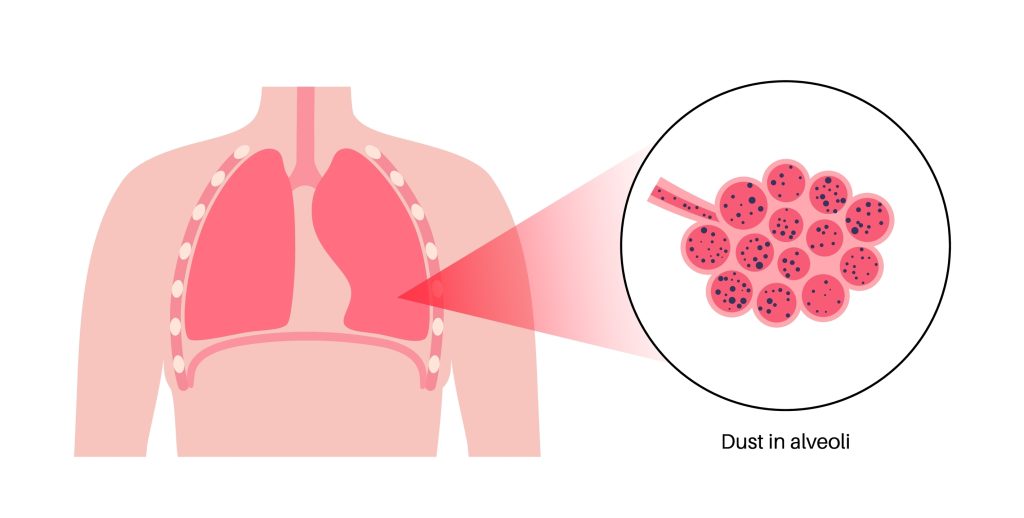
Silicosis affects thousands of American workers each year, with many cases going undiagnosed until severe symptoms develop. Filing a silicosis lawsuit has become increasingly important as more workers discover their exposure to dangerous silica dust in various industries.
The devastating effects of silicosis often take years to manifest, starting with shortness of breath and gradually progressing to more severe respiratory problems. However, understanding your legal options and rights is crucial for securing compensation for medical expenses, lost wages, and other damages.
This comprehensive guide walks you through everything you need to know about silicosis claims – from recognizing early warning signs to documenting your case and finding qualified legal representation. We’ll explore recent settlements, explain the litigation process, and help you understand the steps needed to protect your rights.
What Is Silicosis and How Does It Develop?
Crystalline silica exposure in the workplace leads to a devastating and irreversible lung condition known as silicosis. This progressive disease develops when tiny silica dust particles, at least 100 times smaller than ordinary sand, are inhaled into the lungs. Once inside, these particles trigger inflammation and scarring that gradually reduces the lungs’ ability to take in oxygen.
Silicosis affects approximately 2.3 million U.S. workers across various industries. Although treatments exist to manage symptoms, there is currently no cure for this debilitating disease, making silicosis lawsuits essential for affected workers seeking compensation for medical expenses and lost income.
Common industries with silica exposure risk
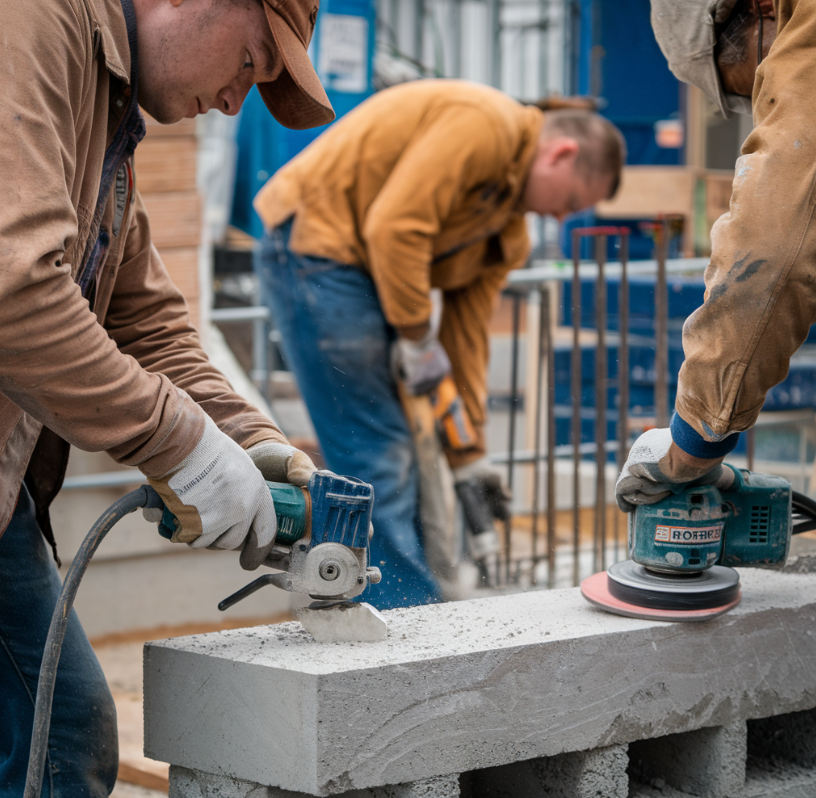
Workers in numerous sectors face significant silica exposure risks. Construction workers regularly encounter silica when cutting, drilling, or grinding concrete, brick, or stone materials. Similarly, mining and quarrying professionals work directly with silica-containing minerals, often in confined spaces where dust concentrations can reach dangerous levels.
Stone countertop fabrication has emerged as a particularly high-risk occupation, especially for those working with engineered stone products which can contain over 90% silica. This explains why a recent study identified 52 silicosis cases among engineered stone workers in California alone, with 10 deaths resulting from these exposures.
Additional high-risk industries include:
- Foundry and glass manufacturing
- Oil and gas extraction (fracking)
- Pottery and ceramics production
- Demolition work
- Sandblasting operations
- Dentistry
Silica dust becomes hazardous primarily during tasks that disturb or fracture silica-containing materials. Workers operating powered hand tools like saws, grinders, and high-speed polishers face some of the highest exposure levels, particularly when proper engineering controls are absent.
Types of silicosis and their progression
Silicosis manifests in three distinct forms, each determined by exposure intensity and duration:
Chronic silicosis – The most common type, typically developing after 10-30 years of low-level exposure. Initially, patients may show few symptoms despite progressive lung damage. This form begins as “simple silicosis” with small nodules in the lungs but can evolve into complicated silicosis (also called Progressive Massive Fibrosis) where larger fibrotic masses form.
Accelerated silicosis – Occurs after 5-10 years of higher-concentration exposure. This form progresses more rapidly than chronic silicosis despite similar initial symptoms and radiographic findings.
Acute silicosis – The most severe and rapidly developing form, appearing within weeks to 5 years after extremely high exposure levels. This rare condition causes severe disability as alveolar spaces fill with fluid, often leading to respiratory failure and death.
Notably, silicosis can continue to progress even after silica exposure has stopped, a critical factor for silicosis lawsuit claims where symptoms may develop years after employment ends.
Recognizing the early warning signs
Early detection is vital for both medical management and establishing timely silicosis lawsuit claims. Unfortunately, initial symptoms are often subtle and easily dismissed. The primary warning signs include:
- Persistent cough (often dry at first)
- Shortness of breath, initially with exertion
- Chest pain
- Fatigue and weakness
- Gradual weight loss
As the disease progresses, these symptoms worsen. Eventually, simple activities like climbing stairs become difficult. Advanced cases may present with bluish skin discoloration (cyanosis), right-sided heart problems, and respiratory insufficiency.
Beyond silicosis itself, crystalline silica exposure significantly increases risks for other serious conditions including lung cancer, tuberculosis, chronic obstructive pulmonary disease (COPD), and kidney disease. These additional health impacts often strengthen silicosis lawsuit claims by demonstrating the comprehensive damage caused by workplace silica exposure.
Medical monitoring is essential for at-risk workers, with chest X-rays and CT scans providing the most reliable diagnostic information. CT scans offer greater sensitivity, particularly for detecting early disease stages when intervention can limit progression.
Documenting Your Silicosis for Legal Action
Building a strong silicosis lawsuit requires thorough documentation of both your medical condition and workplace exposure history. The strength of your legal claim directly depends on your ability to connect your silicosis diagnosis with specific silica dust exposure incidents at work. Let’s examine the critical documentation needed to support your case.
Contact the Schmidt National Law Group at 1-800-631-5656 or use the 100% secure form on the right side of this page.
Medical tests that confirm silicosis diagnosis
Unlike many conditions, silicosis lacks a single definitive test. Instead, diagnosis typically requires multiple medical evaluations and tests. Physicians begin with a detailed medical history and physical examination, with particular focus on your occupational background.
Imaging studies form the cornerstone of silicosis diagnosis. Chest X-rays, interpreted by specialized “B-readers” (physicians with expertise in dust-related lung diseases), can identify characteristic patterns of lung damage. However, standard X-rays may miss early-stage disease. For this reason, high-resolution computed tomography (HRCT) scans are increasingly preferred as they detect subtle lung changes earlier and more accurately than X-rays.
Pulmonary function tests provide crucial documentation by measuring your lungs’ breathing capacity and oxygen exchange efficiency. These tests quantify respiratory impairment and establish a baseline for tracking disease progression.
Additional diagnostic procedures may include:
- Bronchoalveolar lavage (“washing” the lungs)
- Sputum analysis
- Tuberculosis testing (as TB often complicates silicosis)
- Arterial blood gas testing
While lung biopsies provide definitive tissue evidence, most specialists avoid them unless absolutely necessary due to potential complications. Nevertheless, a biopsy report can substantially strengthen your legal case when available.
Creating a workplace exposure timeline
Your silicosis lawsuit gains credibility with a detailed chronology of silica exposure. Since this disease typically develops over years or decades, a comprehensive timeline connects your current condition to past working conditions.
Begin by documenting every relevant job throughout your career, focusing specifically on:
- Exact dates of employment at each company
- Specific job titles and duties performed
- Description of work environments and proximity to silica-generating processes
- Types of silica-containing materials handled
Furthermore, detail all instances where you observed visible dust, inadequate ventilation, or insufficient protective equipment. Note whether employers conducted regular air quality testing or provided respiratory protection. These specifics directly support claims that employers failed their duty of care, a key element in silicosis lawsuits.
Gathering employment and safety records
Concrete documentation substantially strengthens your case beyond personal recollections. As noted by experienced silicosis lawyers, medical records alone aren’t sufficient—you must establish the connection to workplace negligence.
Start by collecting:
- Complete employment records (payroll, union documents)
- Job descriptions and department assignments
- Air quality monitoring results from workplaces
- Material Safety Data Sheets (MSDS) for products containing silica
- Records of what protective equipment was provided
Additionally, gather safety training documentation, including orientation materials, respiratory protection training certificates, and attendance logs from safety meetings. For OSHA-regulated workplaces, employers must maintain detailed records of silica exposure measurements, showing date, task monitored, sampling methods, and results.
Remember that employers subject to OSHA regulations must offer medical exams—including chest X-rays and lung function tests—every three years for workers exposed to silica dust. Request copies of these results as they form a critical part of your documentation timeline.
With comprehensive medical diagnosis records, a detailed exposure timeline, and supporting employment documentation, you provide our silicosis lawyer the foundation needed to build a compelling case for compensation. Start by calling us direct at 1-800-631-5656.
Understanding Your Legal Rights as a Silicosis Victim
After receiving a silicosis diagnosis, understanding your legal options becomes vital for securing proper compensation. Silicosis victims have multiple avenues to pursue justice, each with distinct advantages and requirements.
Workers’ compensation vs. third-party lawsuits
Workers’ compensation provides a state-managed system for employees diagnosed with silicosis, covering medical expenses and partial wage replacement without requiring proof of employer fault. In exchange for these guaranteed benefits, workers typically cannot sue their employers directly. This no-fault system offers faster compensation but often with limited payouts.
Conversely, third-party lawsuits allow silicosis victims to pursue claims against entities other than their employer. These might include manufacturers of silica-containing products, property owners, or contractors responsible for worksite conditions. Unlike workers’ compensation, third-party claims require proving negligence but potentially deliver substantially higher compensation for:
- Medical expenses including future costs
- Full value of lost wages (not just partial)
- Pain and suffering damages
- Projected future earning losses
Many silicosis victims can pursue both simultaneously—filing for workers’ compensation while investigating third-party liability claims.
Time limits for filing silicosis claims
Statutes of limitation strictly govern silicosis lawsuit timelines, with deadlines varying from one to six years depending on your state. Moreover, most states apply a “discovery rule” where the clock starts when you’re diagnosed or reasonably should have known your condition was work-related—not when exposure occurred.
For instance, North Carolina allows three years from diagnosis date, while California permits two years. Missing these deadlines typically bars you permanently from seeking compensation. Accordingly, consulting our team of silicosis lawyers immediately after diagnosis is crucial to preserve your legal rights.
Compensation available under different legal theories
Silicosis lawsuits commonly employ several legal theories to establish liability:
Negligence claims center on an employer’s or third party’s failure to use reasonable care in protecting workers. This might involve inadequate safety measures, improper ventilation systems, or failure to provide appropriate protective equipment.
Product liability claims target manufacturers and distributors of silica-containing products. These lawsuits argue that products were inherently dangerous or lacked adequate warnings about silica exposure risks.
Successful silicosis lawsuits typically recover “compensatory damages” for economic losses (medical bills, lost income) and non-economic losses (pain, suffering, diminished quality of life).
Settlement amounts range from $25,000 to over $1 million, primarily depending on disease severity, exposure duration, and negligence evidence.
Steps to File a Successful Silicosis Lawsuit
Pursuing compensation for silicosis requires strategic planning and expert legal guidance. The success of your lawsuit largely depends on having the right legal representation and understanding what to expect throughout the process.
Finding an attorney with silicosis case experience
First and foremost, the Schmidt National Law Firm specializes in toxic exposure litigation. Silicosis lawsuits involve complex medical evidence and industry-specific knowledge that general practitioners may lack. Our attorneys have a proven track record of handling silicosis cases specifically, as we understand the nuances of these claims.
The Schmidt National Law Group has and offers:
- History of successful silicosis settlements and verdicts
- Knowledge of silica-related industries and regulations
- Resources available for building your case
- Communication style and client advocacy approach
Our team of silicosis lawyers work on contingency fees, meaning we only get paid if your case results in compensation. This arrangement eliminates upfront legal costs and makes quality representation accessible regardless of your financial situation.
Compensation for Silicosis Victims – Filing a Claim
Individuals diagnosed with silicosis may be entitled to claim compensation. The silicosis lawyers at the Schmidt National Law Group can help you gain financial compensation by filing a silicosis claim.
Silicosis is 100% preventable, and it may be the case where your work environment did not take the necessary precautions in dealing with the toxic dust.
Our team of silicosis attorneys at The Schmidt National Law Group provides a free case review if you were diagnosed with silicosis or lung cancer. Take Action Now by contacting us at 1-800-631-5656 or use the 100% Secure Intake Form on this page.
What to expect during silicosis litigation
Consequently, once your claim is filed, the litigation process follows several stages. Your attorney will prepare formal documentation and submit it within applicable statutes of limitations. The discovery phase follows, involving document exchanges and potentially depositions where you may need to testify about your condition and exposure.
Throughout this process, settlement negotiations often occur. Many silicosis cases resolve through settlements rather than trials. If settlement offers are made, our attorney will help you evaluate whether they adequately address your medical expenses, lost wages, and pain and suffering.
Ultimately, if a settlement isn’t reached, your case proceeds to trial where your legal team presents evidence of liability and damages to seek a favorable verdict.
Recent Silicosis Lawsuit Settlements and Verdicts
Recent legal battles have yielded groundbreaking outcomes for silicosis victims, especially in the emerging field of engineered stone litigation.
Notable cases from 2020-2024
Landmark verdicts have established new precedents for silicosis lawsuits across the country. In 2024, a Los Angeles County jury awarded $52.4 million to a 34-year-old stone fabrication worker who developed accelerated silicosis after 15 years in the industry. This historic case marked the first verdict of its kind against engineered stone manufacturers in the United States.
Currently, another significant development occurred in April 2025 when a 51-year-old stone worker with complicated silicosis received settlements exceeding $26 million during jury selection. As of February 2024, California alone has confirmed over 250 cases of engineered stone silicosis with 15 fatalities.
Factors that influenced compensation amounts
Several key elements impact silicosis lawsuit outcomes. Disease severity plays a crucial role—advanced cases involving permanent disability or progressive massive fibrosis typically result in higher compensation. Medical evidence, including lung transplant requirements and decreased life expectancy, substantially influences jury decisions.
Typically, cases demonstrating clear negligence, such as failure to provide proper safety equipment or warnings about silica risks, receive larger settlements. Furthermore, compensation calculations factor in current and future medical expenses, lost earning capacity, and pain and suffering damages.
How engineered stone cases differ from traditional silicosis claims
Engineered stone cases present unique challenges compared to conventional silicosis claims. First, these stones contain up to 95% silica, vastly exceeding natural stone’s 3-45% content. As evidenced by recent litigation, this higher concentration leads to accelerated disease progression with diagnoses occurring after just 7-19 years of exposure versus decades for traditional cases.
In contrast to historical silicosis cases, engineered stone victims are typically younger (median age 33-55) and often from vulnerable immigrant communities. Legal proceedings frequently highlight that many affected workers are Hispanic immigrants with limited healthcare access, contributing to delayed diagnosis and more severe presentation.
Following Australia’s 2024 ban on engineered stone, many legal experts predict the American litigation landscape will continue evolving, potentially driving significant regulatory changes.
Conclusion – Silicosis lawsuits may increase.
Silicosis lawsuits have evolved significantly, especially with the emergence of engineered stone cases resulting in groundbreaking settlements. Though workers face complex legal pathways, understanding available options and maintaining thorough documentation strengthens their position for fair compensation.
Medical evidence paired with detailed workplace exposure records forms the backbone of successful silicosis claims. Recent verdicts, particularly the $52.4 million Los Angeles County award, demonstrate courts’ recognition of silicosis victims’ suffering and employers’ responsibility toward worker safety.
Time remains critical when pursuing silicosis claims. Early medical intervention combined with prompt legal action provides the best chance for securing compensation that covers medical expenses, lost wages, and long-term care needs. Workers exposed to silica dust should seek qualified legal representation immediately after diagnosis, ensuring their rights stay protected throughout the litigation process.
Sources:
https://www.nolo.com/legal-encyclopedia/silica-silicosis-health-risks-litigation-32206-2.html
https://silicosis.com/blog/information-about-silicosis-case-values-settlements
https://www.lung.org/lung-health-diseases/lung-disease-lookup/silicosis/symptoms-diagnosis
https://pmc.ncbi.nlm.nih.gov/articles/PMC11917111/
https://www.cdc.gov/niosh/silica/about/index.html
https://pmc.ncbi.nlm.nih.gov/articles/PMC9061058/
https://www.nbclosangeles.com/news/local/socal-man-with-silicosis-wins-lawsuit-against-makers-of-artificial-stone-slabs/3514932/
Page: Silicosis Lawsuit Guide: Understanding Your Legal Rights and Options updated on April 10, 2025.