- Need immediate help?
- 1 (800)-631-5656
- help@nationalinjuryadvocates.com

Social Media Addiction in Teens is Growing and Getting Worse.
Facts on the Common Types of Birth Injuries
June 17, 2022Youth Center Abuse Victims
October 21, 2022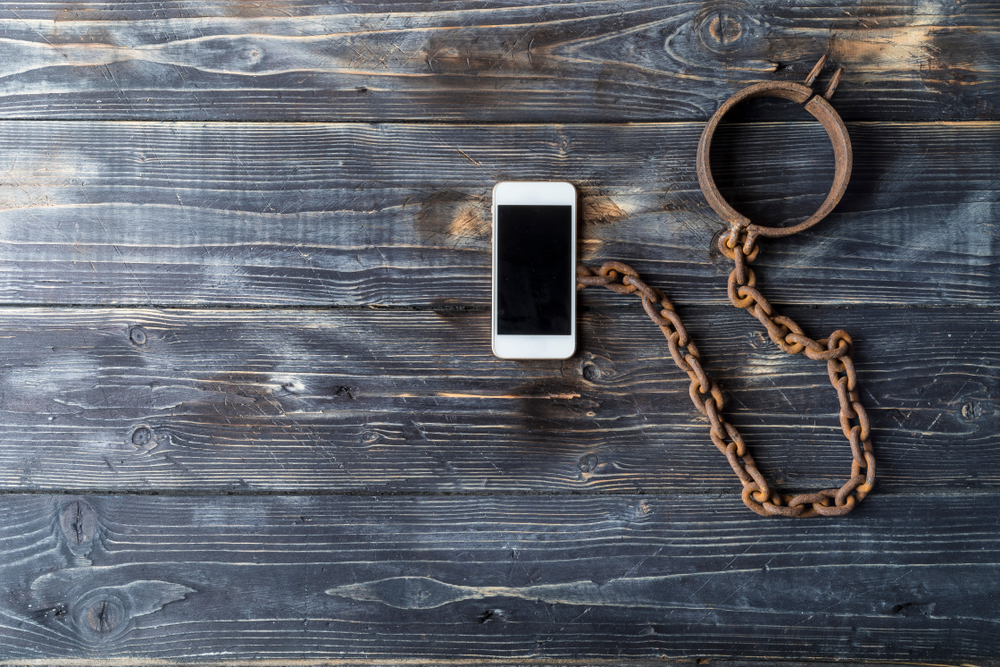
Studies Find Social Media Addiction May Lead to Psychological and Behavioral Disorders
NYC Sues Social Media Platforms for Teen Addiction
February 15, 2024 —In a groundbreaking move, the city of New York has filed a lawsuit against social media platforms, alleging that they are responsible for the growing problem of teen addiction. The lawsuit, filed by the city’s attorney general, seeks to hold these platforms accountable for their role in the detrimental impact on the mental health and well-being of young people. This article delves into the details of the lawsuit, the reasons behind it, and the potential implications for the social media industry.
Teen addiction to social media has become a pressing concern in recent years. Numerous studies have highlighted the negative effects of excessive social media use on the mental health of young people. From increased rates of anxiety and depression to decreased self-esteem and poor body image, the impact of social media on teenagers is undeniable. With the average teenager spending several hours a day on social media platforms, it is crucial to address this issue.
The Bases of the New York Social Media Lawsuit
The lawsuit filed by the city of New York specifically targets major social media platforms, including Facebook, Instagram, TikTok, and Snapchat. It alleges that these platforms have intentionally designed their products to be addictive and have failed to adequately protect young users from harmful content. The city argues that the platforms have prioritized profit over the well-being of their users and have violated consumer protection laws.
Is Your Teen Suffering from Social Media Addiction?
Is Your Teen Suffering from Social Media Addiction?
"*" indicates required fields
Claims and Allegations on Social Media Companies
The lawsuit makes several claims against the social media platforms:
- Addictive Design: The city argues that the platforms have employed tactics borrowed from the gambling industry to keep users hooked. Features such as infinite scrolling, autoplay videos, and personalized recommendations are designed to maximize engagement and keep users coming back for more.
- Harmful Content: The lawsuit alleges that the platforms have failed to effectively moderate and remove harmful content, including cyberbullying, hate speech, and self-harm imagery. This has had a severe impact on the mental health of young users.
- Targeted Advertising: The city claims that social media platforms have targeted vulnerable teenagers with personalized advertising, exacerbating their addiction and exploiting their insecurities.
Potential Implications for Social Media Industry
The outcome of this lawsuit could have far-reaching implications for the social media industry. If successful, it may set a precedent for other cities and states to take similar legal action against these platforms. It could also lead to stricter regulations and oversight of social media companies, forcing them to prioritize user well-being over profit.
Social Media Companies Response
Unsurprisingly, the social media platforms named in the lawsuit have vehemently denied the allegations. They argue that they have implemented various measures to promote a safe and positive user experience. Facebook, for instance, has introduced features to limit screen time and provide tools for managing content consumption. TikTok has implemented age restrictions and enhanced moderation efforts to combat harmful content.
The Role of Parents and Educators for Social Media
While the lawsuit focuses on the responsibility of social media platforms, it is crucial to acknowledge the role of parents and educators in addressing teen addiction. Open communication, setting boundaries, and educating young people about responsible social media use are essential steps in mitigating the negative effects of excessive screen time.
The End Results
The lawsuit filed by the city of New York against social media platforms for teen addiction marks a significant turning point in the conversation surrounding the harmful impact of social media on young people. It highlights the need for greater accountability and responsibility from these platforms to protect the well-being of their users, especially teenagers. As the legal battle unfolds, it is essential to continue the dialogue and work towards creating a safer and healthier digital environment for future generations.
“The lawsuit filed by the city of New York against social media platforms is a crucial step towards holding these platforms accountable for their role in teen addiction.” – NYC Attorney General
Additional Information
- The lawsuit seeks monetary damages for the harm caused to young users.
- The city of New York is also calling for the implementation of stricter age verification measures to prevent underage access to social media platforms.
- Mental health professionals and organizations have expressed support for the lawsuit, emphasizing the urgent need to address the negative impact of social media on teenagers.
February 9, 2024 – A California judge has now set a comprehensive timeline for the multi-district litigation that is accusing some social media companies of addiction in teens has set a late 2025 date for the first bellwether trial.
U.S. District Judge Yvonne Gonzalez Rogers has chosen October 14, 2025 as the date for jury selections. However she has yet to decide which case will serve as the bellwether. The first part is to setup a “bellwether discovery pools” fort each type of cases in the MDL: personal injury cases brought by parents, and cases brought by school districts. The plan is to have a dozen cases in each pool, that will have plaintiffs and defendants from each side choosing six cases.
The timeline for this is mid-April. This MDL has been on Judge Rogers office since early October, when the Judicial Panel on MDL combined the at the time 28 suits across 17 federal courts around the U.S. These cases will be joined together for pretrial purposes in the Northern District of California.
The case is In re: Social Media Adolescent Addiction/Personal Injury Products Liability Litigation 4:22-md-03047, in the U.S. District Court for the Northern District of California.
January 31, 2024 –Hearing on the ‘Addictive’ Nature of Social Media Algorithms
A mother spoke at a press conference about her teenage daughter who is battling an eating disorder.
Plaintiff Rosemarie Calvoni, who resides in North Carolina, stated that she unknowingly provided her daughter with a dangerous tool by giving her a smartphone with apps that utilize addictive algorithms.
This was brought up before a U.S. Senate hearing where legislators and heads of social media companies were present. Meta owns and operates Facebook, Instagram, Threads and WhatsApp.
She issued this statement in the hearing:
“They didn’t tell anyone about the addiction, and how it was intentionally implemented to cause the addiction. Try taking a cell phone away from a 15-year-old. That kid will be as addicated as probably someone on crack.”
When she tried the Instagram app herself she had this to say:
“I tested this out myself on Instagram, and I just put in ‘weight’. That’s the only word I put in. And within five minutes I had videos and pictures [of] how to get that weight off, how to exercise. And all I did is type the word ‘weight.’”
Calvoni is a plaintiff and is part of an MDL in a California federal court that alleges tech companies and social media platforms fail to warn users of the additive and harmful nature of these platforms. Problems associated with these platforms and apps include anxiety, depression, eating disorders, self-harm and other psychiatric injuries.
The California MDL case is: Calvoni et al v. Instagram, LLC et al (4:22-cv-05873)
Legal News Update October 27, 2023 — While thousands of lawsuit claims are stacking up against most major social media companies for allegedly creating addiction to their platforms, now 34 state attorney generals are now filing claims as well. From the US District Court, Northern District of California has formed an MDL to process this.
Legal Challenges and the Road Ahead
The lawsuit against social media companies raises complex legal questions regarding the responsibility of these platforms in safeguarding the well-being of their users, especially minors. While social media companies argue that they operate within the confines of the law and provide tools for parents to monitor and restrict their children’s online activities, critics argue that these measures are insufficient given the sophisticated nature of the algorithms at play. The court’s decision in this case could set a significant precedent for future legal battles involving social media addiction and children’s rights.
State Attorney Generals Join the Fray
In addition to the individual lawsuits, state attorney generals have also taken action against social media companies, seeking to hold them accountable for their alleged role in exacerbating child addiction. Some states have proposed legislation that aims to regulate the use of algorithms and limit the exposure of children to potentially harmful content. These legal challenges pose additional pressure on the social media industry, increasing the urgency for companies to address the concerns raised by parents and state authorities. Florida’s attorney general also filed a complaint and attorneys general in the District of Columbia, Massachusetts, Mississippi, New Hampshire, Oklahoma, Tennessee, Utah and Vermont filed similar actions in their own state courts.
The Push for Algorithmic Transparency
One of the key demands from the plaintiffs and advocacy groups is the need for greater algorithmic transparency. Critics argue that the algorithms used by social media platforms are shrouded in secrecy, making it difficult for users and regulators to fully understand how they operate and the impact they have on individuals. Calls for algorithmic transparency are gaining traction, with some experts suggesting that social media companies should be required to disclose information about their algorithms, including the criteria used for content curation and the potential risks associated with prolonged usage.
In re: Social Media Adolescent Addiction/Personal Injury Products Liability Litigation (MDL No. 3047)
This is a Multi-District Litigation (MDL) involving various defendants such as Meta Platforms, Inc., Instagram LLC, Snap, Inc., TikTok, Inc., ByteDance, Inc., YouTube LLC, Google LLC, and Alphabet Inc. Plaintiffs have alleged that the defendants’ social media platforms are defective because they are designed to maximize screen time, which can encourage addictive behavior in adolescents. As alleged, this conduct results in various emotional and physical harms, including death.
In an ever growing technology based world, we are all spending hours upon hours glued to our phones and devices. Social media users worldwide have grown by 13% or 362 million in the last year.
As adults we spend time checking in to our social media accounts, clicking, liking, commenting and posting on average 2-3 hours a day, but for teens and young adults that number jumps to up to 9 hours a day. That’s a lot of screen time!
How healthy is this rapid consumption of social media, and what is it doing to our teenager’s mental health?
Is Your Teen Suffering from Social Media Addiction?
Is Your Teen Suffering from Social Media Addiction?
"*" indicates required fields
Let’s start by looking at how many people are using different social media channels.
- Facebook is the by far the most popular social media channel with more than 2.7 billion monthly active users worldwide. In the US 93% of adults have a Facebook account.
- Instagram is the 7th most visited website in the world, with 2.9 billion visits per month. 1.22 billion people use Instagram each month.
- TikTok, a relatively new channel, had more downloads than Instagram in the fall of 2021.
It’s clear by the numbers above that social media is growing, reaching and affecting millions of users daily. But how exactly is this affecting our overall mental health?
It doesn’t take much digging on the Internet to find numerous case studies highlighting the negative mental effects of social media addiction in our teens and young adults.
Disorders may include:
- Addiction with treatment
- Loss of sleep
- Antisocial behavior
- Depression
- Anxiety
- Aggression
- ADHD
- Eating disorder
- Learning disorder
- Other psychological disorder
- Other behavioral disorder
Let’s first look at ourselves and ask: Have you ever felt depressed when viewing your social media platforms?
Chances are you said “yes”, or at least said “sometimes”. It’s fairly common for many people to feel depressed based on how these platforms work. Have you asked your teenager or young adult about this?
Example: When we see “likes” on a post you created on Facebook it triggers a positive dopamine response in your brain. Dopamine is the “feel-good” chemical that triggers our inner rewards system similar to what takes place when we eat delicious foods or take addictive drugs.
When we expect to see “likes” and then don’t get them we get depressed and ask ourselves – “Why didn’t someone like my post? Is it me?” It’s already hard enough to be a teenager and to complicate this, if your teenager is truly addicted to the social media “rewards system” and don’t go online, it further exacerbates their depression.
Other negative side effects of social media addiction may include: anxiety, eating disorders, antisocial behavior, learning disorders, aggression at school or in public, diagnosed psychological condition, and symptoms of psychological issues requiring treatment or counseling.
Do you feel like you HAVE to check into your social media channels daily?
Do you wake up and instantly reach for your phone to check your social media alerts?
If so you aren’t alone, a ScienceDirect study has suggested that 210 million people may suffer from social media addiction. Here is the actual excerpt from the study (link source below):
Results show that life satisfaction has significant effects on both generalized Internet addiction and the specific addiction to social media. For addicted individuals, there may be deep-rooted issues in their lives, lowering their satisfaction and driving their continued or increased addictions to Internet technologies.
https://www.sciencedirect.com/science/article/abs/pii/S0160791X16301634
Algorithms meant to keep you online and to sow division.
Last year in October a whistleblower, Frances Haugen from Facebook, told a Senate subcommittee about how their algorithm was intended to keep people on its platform. She testified and said Facebook harms children, sows division and undermines democracy in pursuit of breakneck growth and “astronomical profits.”
She went on to state that Facebook knows that its algorithm was harmful to children, yet took no actions to change it. Her statement: “The result has been more division, more harm, more lies, more threats and more combat. In some cases, this dangerous online talk has led to actual violence that harms and even kills people.”
Government Studies Effects of Social Media.
In June 15, 2020 the US National Library of Medicine published a study entitled: Social Media Use and Its Connection to Mental Health: A Systematic Review. This study is quite long, but we’ll share this section:
“A number of studies have been conducted on the impacts of social media, and it has been indicated that the prolonged use of social media platforms such as Facebook may be related to negative signs and symptoms of depression, anxiety, and stress [10–15]. Furthermore, social media can create a lot of pressure to create the stereotype that others want to see and also being as popular as others.”
Social Media Help & Treatment Options Available
The National Institute for Digital Health is a not-for-profit organization founded to offer education and resources for Digital Health. NIDHW is a collective of psychologists, educators, scientists, advocates, philanthropists and everyday people who are concerned about our species and how it’s been affected by technology.
By offering education, resources, prevention services, treatment and training to schools, individuals, therapists and organizations, we can build a healthier, more resilient and purposeful planet that uses technology as a tool—and does not become the “tool of their tools”
The Boys & Girls Clubs of America, along with long-time partners like Dove, is working to provide parents, educators and youth development professionals with the programs and tools necessary to have critical conversations and model behavior that can change young people’s lives.
Here are some ways to address the impact of social media on youth mental health and self-esteem:
- Learn how modeling self-confidence, having “the selfie talk” and curbing your own negative self-talk can make a big difference to your kid or teen’s self-confidence.
- Download The Confidence Kit, which provides talking points and suggestions for identifying teaching moments when you have the opportunity to truly model self-care and confidence.
- Create an open, judgment-free dialogue about how your teen uses the internet, so that when they have a concern they feel good about coming to you.
- It’s also good to be aware of the signs of cyberbullying and have a plan to stop the situation.
Our National Law Firm is Taking Action.
Since learning about this tragic rapid growth of social media addiction throughout the US and the lack of remorse, lack of change and direct ignoring of the problems caused by these social media channels, our law firm is currently accepting any injury claims from the use of social media.
We fully intend to investigate and hold these companies responsible for the mental illness, psychological damage and willfully not changing their platform to help stop the addiction that is affecting millions of people.
Take action if you or someone you love has shown signs of addiction, or has been diagnosed with any mental issues arising from the use of any social media channel. Use the 100% secure form, or simply call us direct at 1-800-631-5656.
Links to case studies, articles, examples and stories of social media addiction.
Facebook’s own research found Instagram fuels eating disorders in young people.
The Dangerous Experiment on Teen Girls. https://www.theatlantic.com/ideas/archive/2021/11/facebooks-dangerous-experiment-teen-girls/620767/
Instagram promoted pages glorifying eating disorders to teen accounts.
https://www.cnn.com/2021/10/04/tech/instagram-facebook-eating-disorders/index.html
Instagram curates anorexia images to teen girls who have eating disorders: docs
Facebook’s harm to young women shouldn’t be a surprise
https://www.theglobeandmail.com/canada/article-facebooks-harm-to-young-women-shouldnt-be-a-surprise/
A picture is worth a thousand words: Electronic cigarette content on Instagram and Pinterest