- Need immediate help?
- 1 (800)-631-5656
- help@nationalinjuryadvocates.com

Hip Implant | Stryker V40 hip replacement & Stryker hip replacement lawsuit
Onglyza Heart Failure Class Action Lawyers
June 16, 2017
Hip Implant | Stryker V40 hip Lawsuits and Claims
August 15, 2017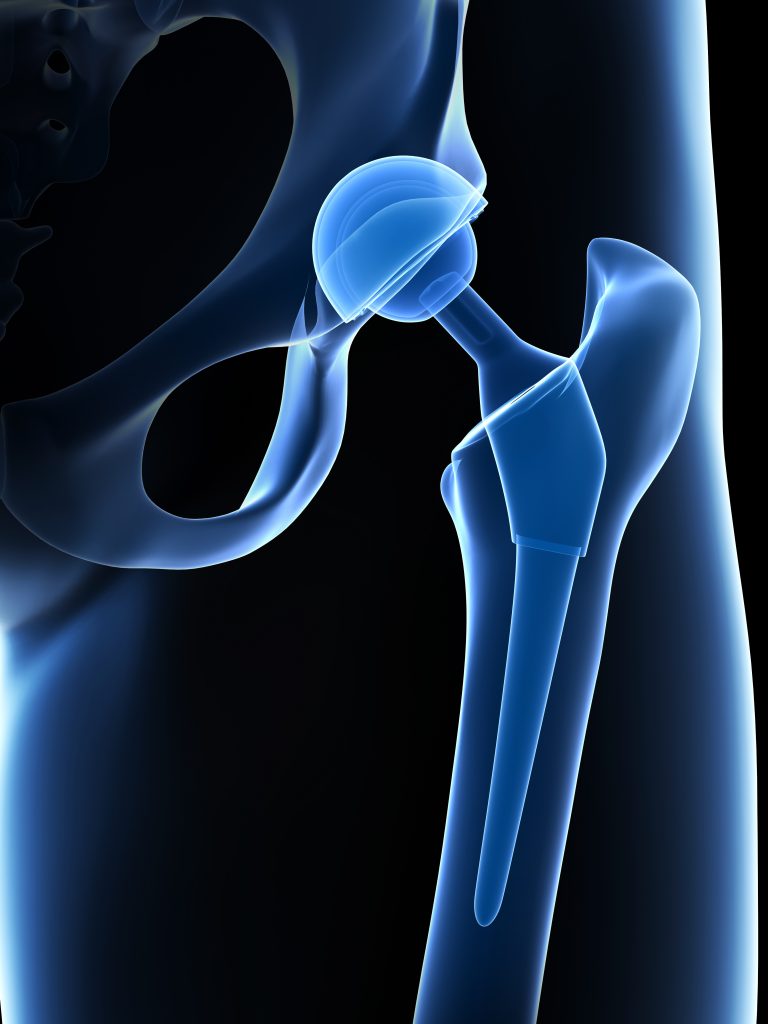
Stryker V40 hip replacement lawsuit Claims
Hip Implant Lawsuit Alleges Stryker Negligence
Stryker, one of the largest and most popularly used hip implant manufacturers, is facing some potentially major product liability legal problems surrounding one of their metal-on-metal hip replacement system. This isn’t the first time, however, that their metal hip implant systems have been pulled from the market for putting patients at risk. In 2012, they recalled two other hip systems—the Stryker Rejuvenate Hip and the Stryker ABG Hip. They quickly became inundated with lawsuits from former patients claiming that the Stryker hip they had implanted had caused serious complications (metal poisoning, dislocations, catastrophic failure, etc.) leading to injury and typically a revision surgery.
Stryker may be back in the hot seat. On August 29, 2016 they issued an urgent warning to medical device implant orthopedic surgeons that hip implant patients were experiencing extremely high failure rates of prosthetics containing their LFIT (Low Friction Ion Treatment) V40 femoral head. Stryker explained that “higher than expected complaints of taper lock failure” has been occurring which could lead to a complete disassociation of the femoral head from the hip stem, excessive metal debris in the hip joint and dangerous metal poisoning in hip replacement patients.
Stryker may now face negligence claims for failing to warn physicians and patients many years earlier when recalling their Rejuvenate and ABG hip implants, which included the LFIT V40. when Many patients have already been injured—some experiencing catastrophic hip implant failure.
Stryker hip replacement lawsuit
Background on the LFIT V40 Femoral Head
Artificial hip implant systems consist of several parts that work together to create the “hip system”. These parts generally include a:
- Femoral head
- Femoral stem
- Femoral neck
- Liner
- Acetabular socket
The LFIT V40 is the femoral head component used in many of the Stryker hip implants and can be better understood as the part that replaces the “ball” at topmost part of the femur or upper thigh bone. The ball then fits inside the socket of the pelvis bone which makes hip joint rotation possible.
The Stryker LFIT V40 Femoral Heads are used with the following replacement hip implant systems used over the past 17 years:
- Stryker Citation Hip System (January 2000 and later)
- Stryker Meridian Hip System (January 2000 and later)
- Stryker Accolade 1 or Accolade TMZF Hip System (March 2000 and later )
- Stryker Rejuvenate Hip System (December 2008 and later)
- Stryker ABG 2 Hip System (November 2009 and later)
- Stryker Accolade 2 Hip System (March 2012 and later)
Of course, the LFIT V40 Femoral Head was designed to make the replacement hip implant more advanced than their previous models and competitors’ hips. Stryker claimed, in fact, that this design would minimize the risk of dislocation and maximize hip range of motion and stability. They also explained that the “Low Friction Ion Treatment” technology would significantly reduced friction in the hip joint which would provide a longer lifespan for the prosthetic hip. Unfortunately, actual real life case studies proved the opposite: the LFIT technology was actually becoming part of the problem by increasing the metal on metal wear and tear leading to metallosis, tissue damage, pain, swelling, immobility, and catastrophic hip implant failure.
Stryker hip replacement injuries
Studies Reveal Injury Risks Associated with Stryker LFIT V40 Hips
- 2014 Patient Study: Researchers discovered that metal corrosion in the hip joint could account for patients experiencing hip joint pain, tissue damage, pseudotumors, and bone damage. The metal corrosion may also be a major factor in patients who experience a “spontaneous dissociation” of the V40 femoral head from the stem.
- 2015 Patient Study: A separate study a year later similarly stated that corrosion developing between the metal surfaces in the hip joint appeared to be the most likely cause of pseudotumors and hip implant failures. This study seem to show that the corrosion forming on the LFIT V40 increased the likelihood of excessive friction in the hip joint.
- 2016 Patient Study: Nine cases of patients experiencing catastrophic hip implant failure were studied as they related to this corrosion and metal on metal friction condition forming in the hip joints. Doctors reported that patients tested abnormally high for cobalt and chromium in their tissue and blood stream. All nine patients were required to undergo revision surgeries to alleviate the injuries caused by the failed hip implant.
Symptoms & Injuries Linked to Stryker LFIT V40 Femoral Head
For those who have had a Stryker hip replacement procedure and are concerned about the LFIT V40 head causing the implant to fail, you should report any of the following symptoms to your physician immediately. If you find yourself experiencing these symptoms it may indicate the V40 femoral head is corroding, creating increased joint friction and may lead to serious injury.
Symptoms of hip implant failure may include:
- Swelling or inflammation
- Instability or reduced mobility
- Difficulty walking, standing or sitting
- Loosening or mild dislocations
- Intense or consistent pain
These symptoms may indicate that the Stryker LFIT V40 Femoral Head is failing and you may be at risk of the following severe injuries, which could require invasive revision surgery to correct:
- Catastrophic hip implant failure
- Spontaneous dissociation of the femoral head from the stem
- Elevated cobalt and chromium levels
- Metallosis (metal poisoning)
Pseudotumors
Tissue damage
Osteolysis (bone damage)
The high incidence of patient complaints of symptoms and/or injuries related to the Stryker hip implants spurred recalls of the LFIT V40 worldwide:
- August 24, 2016: Health Canada recalls the Stryker LFIT CoCr V40 Femoral Head
- August 29, 2016: Stryker publishes their “urgent medical device product field action notification” to orthopedic surgeons and issues a voluntary recall of the LFIT V40
- September 27, 2016: Australian health officials receive an urgent warning regarding the potential health hazard associated with certain Stryker hip implants.
Stryker hip replacement recall
If you have had a recent hip replacement surgery, are experiencing any health complications and believe that you have a Stryker Hip System that contains an LFIT V40 Femoral Head, you should see your doctor as soon as possible for an X-ray or MRI of the hip joint to determine the possible cause of these side effects before a severe injury occurs.
Stryker Hip Replacement Lawsuit page updated on August 18, 2020.
Have you experienced complications with a hip implant?
Recalled hip implants may cause serious injury. If your hip has failed or been recalled, contact us immediately.
"*" indicates required fields